

Legend, Leadership, and the Power of Women’s Stories
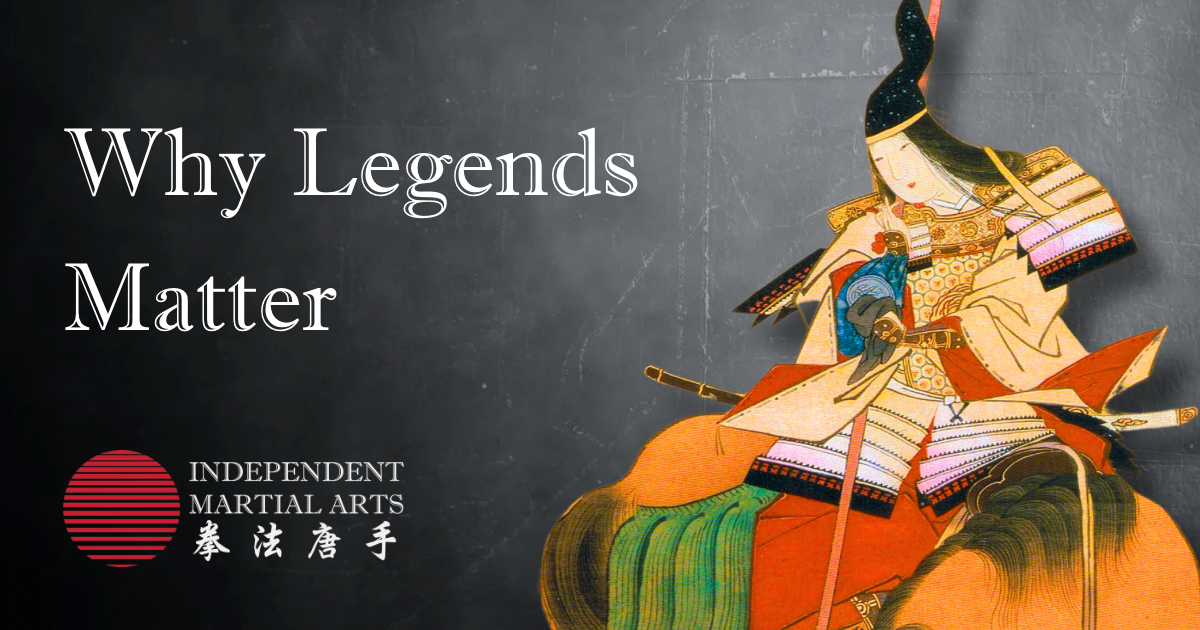
Women’s History Month invites us not only to recover forgotten women from the historical record, but also to examine why certain stories endure, even when they sit at the edge of myth.
Tomoe Gozen, a legendary female warrior from 12th‑century Japan, is one such figure- possibly real, certainly legendary, and undeniably powerful as a symbol. Her story reminds us that inspiration does not require perfect documentation; sometimes, the values a story carries are as important as its factual certainty.
Between History and Legend
Tomoe Gozen appears primarily in The Tale of the Heike, a medieval war epic that blends historical events with oral tradition and literary embellishment. However, historians debate the extent of her historical reality, noting that she does not appear consistently in official military records of the Genpei War, the conflict that many of her stories are centered around. Still, many scholars believe her character was likely based on a real woman warrior, whose deeds were magnified through generations of storytelling. This uncertainty does not weaken her story, but rather it highlights how women’s achievements were often preserved through narrative rather than bureaucracy.
A Woman Who Led in a Man’s World
In the Heike narrative, Tomoe Gozen served Minamoto no Yoshinaka as a battlefield leader, described as his “first captain” and entrusted with frontline command. She is praised for her skill in archery, swordsmanship, and horsemanship, and for fighting alongside men rather than being confined to defensive roles, much like other female warriors of her time. Leadership, in her story, is not symbolic. It is earned through competence, trust, and action, qualities that transcend time and culture.
Courage Under Pressure
Tomoe Gozen’s most famous moment comes during the Battle of Awazu in 1184, where she continues fighting even as her lord’s forces collapse around her. The tale describes her confronting a powerful enemy, then defeating and beheading him on the battlefield, illustrating her resolve, loyalty, and fearlessness in the face of defeat. Whether literal or symbolic, this moment captures a timeless truth: courage is often most visible when the odds are already lost.
Why Legends Matter
Many women in history were excluded from official records, especially in military, political, or leadership roles. As a result, oral tradition, legend, and art became critical tools for preserving women’s presence and power. Tomoe Gozen is just one example who stands as a reminder that absence from the archive does not mean absence from history. Her legend challenges the assumption that leadership has always looked one way, or belonged to one gender.
Inspiration Without Idealization
Recognizing Tomoe Gozen as a likely legend allows us to appreciate her without needing to defend her proven existence. After all, she represents values we can all admire and aspire to: courage without permission, leadership without precedent, and strength without apology. In this way, Tomoe Gozen becomes less a single historical figure and more a shared cultural answer to the question: “What if women were always here, even when history didn’t write them down?”.
Tomoe Gozen’s story invites us to expand how we define history itself. It asks us to listen closely to the legends, because they often preserve truths that formal records overlook. Whether she lived exactly as described or not, Tomoe Gozen endures as a symbol of courage, leadership, and the generations of women who made space for themselves- on battlefields, in stories, and in memory.
One of our specialty classes, named for this legend, is specifically to allow a space for our female students to cheer on and be inspired by one another. Our Tomoe Gozen class takes place on the first Saturday of every month from 10:15-11:15am, and is open to female students of all ages and ranks.
Sources: